250+ Portuguese Words in Malay and Indonesian: A Colonial Linguistic Legacy
From "meja" (table) to "jendela" (window), Malay and Indonesian contain over 250 words borrowed from Portuguese. Discover how 16th-century traders left an indelible mark on Southeast Asian languages.
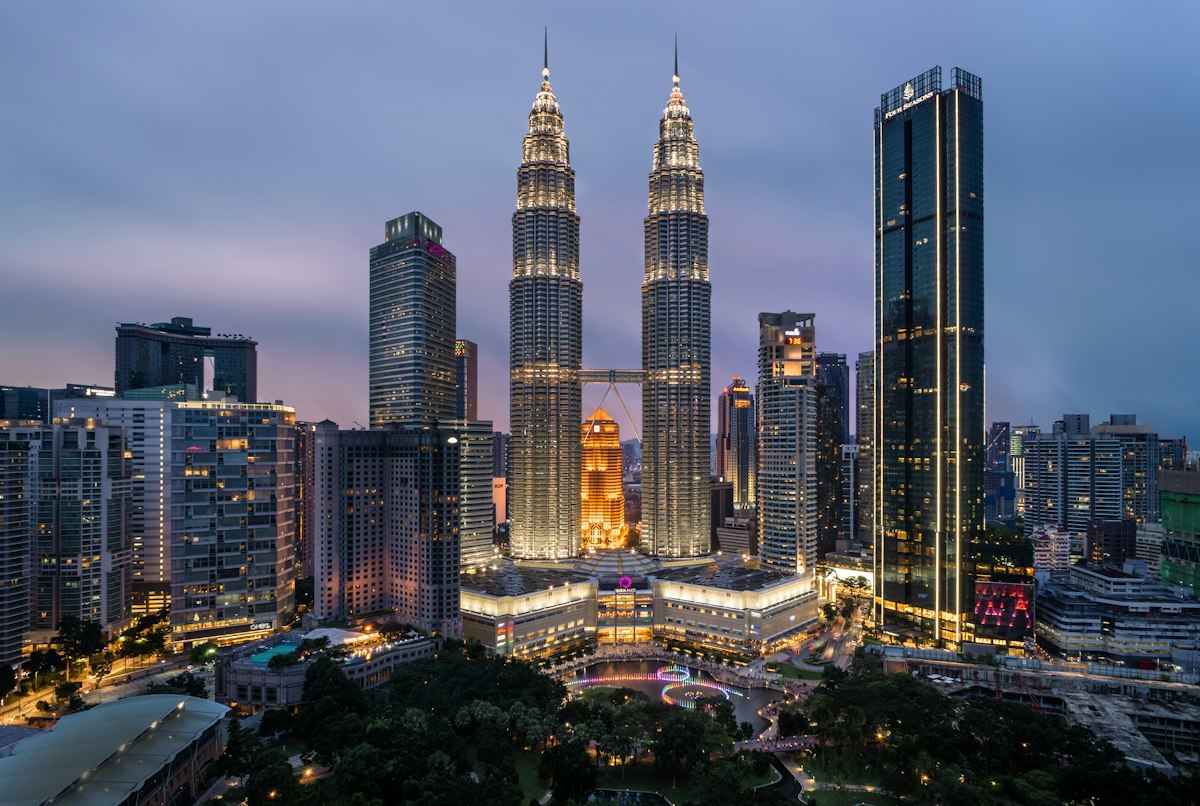
When Indonesians sit at a meja (table), look through a jendela (window), or put on their sepatu (shoes), they're using Portuguese words—even if they don't realize it. The linguistic legacy of Portugal in Southeast Asia is remarkable: over 250 words still used daily in Malay and Indonesian.
The Portuguese Arrive

In 1511, the Portuguese captured Malacca (now Melaka, Malaysia), one of the world's most important trading ports. For nearly 130 years, until the Dutch seized it in 1641, Portuguese was the language of commerce in the region.
The Portuguese didn't just trade—they: - Established permanent settlements - Intermarried with locals - Spread Catholicism - Created creole languages
How Words Were Borrowed
Unlike brutal colonization, the Portuguese word adoption was organic:
Trade Terminology Merchants needed common vocabulary for goods, measurements, and transactions.
Domestic Items Portuguese introduced European household objects unknown to the region.
Religion Catholic missionaries brought religious terms.
Technology European technology came with European names.

The Words (Selected Examples)
Household Items
| Portuguese | Malay/Indonesian | English |
|---|---|---|
| mesa | meja | table |
| cadeira | kedai | shop/stall |
| janela | jendela | window |
| armário | almari/lemari | wardrobe |
| toalha | tuala/handuk | towel |
| garfo | garpu | fork |
| copo | kopor | suitcase |
| balde | baldi | bucket |
Clothing and Textiles
| Portuguese | Malay/Indonesian | English |
|---|---|---|
| sapato | sepatu | shoe |
| camisa | kemeja | shirt |
| botão | butang/kancing | button |
| lenço | lenso | handkerchief |
| renda | renda | lace |
| fita | pita | ribbon |
| veludo | beludru | velvet |
Food and Cooking
| Portuguese | Malay/Indonesian | English |
|---|---|---|
| queijo | keju | cheese |
| manteiga | mentega | butter |
| pão | pau (as in char siu pau) | bread |
| limão | limau | lemon/citrus |
| tinta | tinta | ink (used in cooking context too) |
Administrative and Religious
| Portuguese | Malay/Indonesian | English |
|---|---|---|
| bandeira | bendera | flag |
| escola | sekolah | school |
| igreja | gereja | church |
| missa | misa | mass (religious) |
| padre | paderi/pastor | priest |
| natal | natal | Christmas |
| domingo | minggu | Sunday/week |
Technology and Objects
| Portuguese | Malay/Indonesian | English |
|---|---|---|
| roda | roda | wheel |
| bomba | pompa/bomba | pump |
| banco | bangku | bench |
| pena | pena | pen |
| tinta | tinta | ink |
Miscellaneous
| Portuguese | Malay/Indonesian | English |
|---|---|---|
| boneca | boneka | doll |
| dado | dadu | dice |
| carta | kartu | card |
| festa | pesta | party |
| cereja | ceri | cherry |
| algodão | kapas | cotton |
The Transformation
Words didn't remain identical—they adapted to local phonology:
Sound Changes
- Portuguese 'j' → Malay 'j': janela → jendela
- Portuguese 'nh' → Malay 'ny': generally lost
- Final consonants often dropped or modified
- Vowels sometimes shifted
Semantic Drift
Some words changed meaning: - Kedai (from cadeira, chair) now means "shop" or "stall" - Kereta (from carreta, cart) now means "car" - Sekolah (from escola, school) retained its meaning
The Kristang Creole
The most remarkable Portuguese legacy is Kristang (from Portuguese cristão, Christian)—a Portuguese-based creole language still spoken by a small community in Malacca.
Kristang features: - Portuguese vocabulary with Malay grammar influences - Simplified verb conjugations - Unique local vocabulary - Endangered status (fewer than 2,000 speakers)
Example in Kristang: "Yo sa bai na merkadu" (I am going to the market)
Compare Portuguese: "Eu vou ao mercado"
Why Portuguese Stuck
Several factors explain Portuguese's lasting influence:
1. First-Mover Advantage Portuguese arrived before other Europeans, establishing the foundational vocabulary of trade.
2. Intermarriage Unlike later Dutch colonizers who remained separate, Portuguese freely married locals, creating mixed communities that preserved the language.
3. Religion Catholicism created tight-knit communities that maintained Portuguese traditions and vocabulary.
4. No Replacement Even after the Dutch and British took over, these domestic and everyday words had no reason to change.
Comparison with Other Languages
Portuguese contributed more words to Malay/Indonesian than any other European language: - Portuguese: 250+ words - Dutch: 100+ words - English: Many modern borrowings - Arabic: Extensive religious/cultural vocabulary (but predates European contact)
Living Legacy
Today, Malaysians and Indonesians use Portuguese words unconsciously. A typical morning might involve:
1. Getting out of bed and putting on a kemeja (camisa/shirt) 2. Sitting at the meja (mesa/table) 3. Opening the jendela (janela/window) 4. Eating keju (queijo/cheese) and bread 5. Using a garpu (garfo/fork) 6. Checking the bendera (bandeira/flag) flying outside
All without realizing they're speaking Portuguese.
Preserving the Heritage
In Malacca, efforts continue to preserve this heritage: - The Portuguese Settlement (Padri sa Chang) maintains traditions - Kristang language classes - Cultural festivals - UNESCO recognition discussions
The words that Portuguese traders and missionaries left behind—embedded in the daily speech of 300 million Malay and Indonesian speakers—may be their most enduring monument.
When you say jendela in Jakarta or meja in Kuala Lumpur, you're keeping alive a 500-year-old connection between Portugal and Southeast Asia.
References & Sources
- Portuguese Loanwords in Malay— Wikipedia (accessed December 2025)
- Portuguese Malacca History— Encyclopædia Britannica (accessed December 2025)
- Kristang Language— Wikipedia (accessed December 2025)
- Portuguese in Southeast Asia— Cambridge University Press (accessed December 2025)
Ready to learn European Portuguese?
Start with our free flashcard app featuring native pronunciation and spaced repetition.
Start Learning FreeRelated Articles
25 English Words You Didn't Know Came from Portuguese
From "cobra" and "caste" to "fetish" and "embarrass," Portuguese has contributed dozens of words to English. Discover the surprising Portuguese origins of everyday English vocabulary.
When Portuguese Ruled the Seas: The Language of Global Trade (1500-1800)
For three centuries, Portuguese was the lingua franca of maritime trade from Africa to Japan. Discover how a small European nation's language became the voice of international commerce.
Marmalade Means Quince: The Portuguese Origin of Britain's Breakfast Staple
The word "marmalade" comes from Portuguese "marmelo" (quince)—because original marmalade wasn't made from oranges at all. Discover the fascinating history of how a Portuguese preserve conquered British breakfast tables.