Marmalade Means Quince: The Portuguese Origin of Britain's Breakfast Staple
The word "marmalade" comes from Portuguese "marmelo" (quince)—because original marmalade wasn't made from oranges at all. Discover the fascinating history of how a Portuguese preserve conquered British breakfast tables.
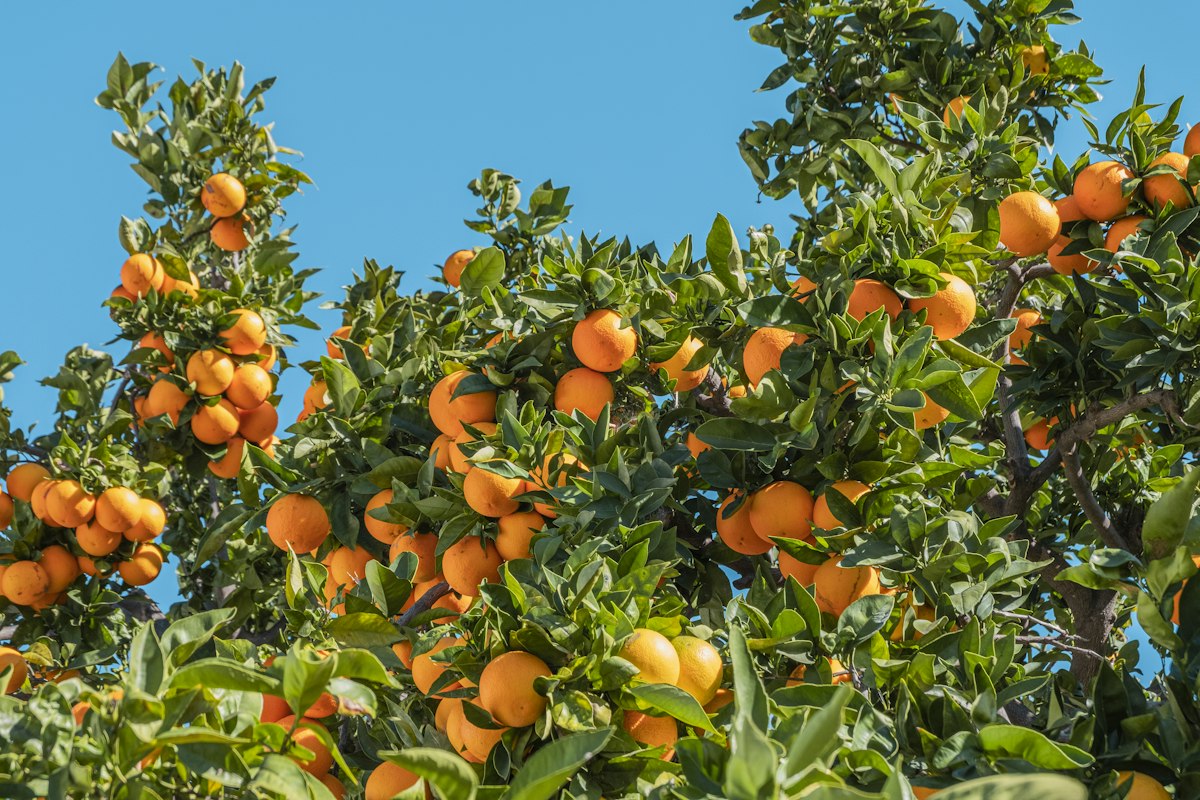
Every morning, millions of British people spread orange marmalade on their toast, unaware that the very word "marmalade" means something completely different: quince.
The Portuguese Word

In Portuguese, marmelo means quince—a golden, fragrant fruit related to apples and pears. From this came marmelada, a thick quince paste that has been made in Portugal for centuries.
The journey from Portuguese quinces to British oranges is a story of trade, adaptation, and one very persistent fruit preserve.
Quince: The Original Marmalade
Quince (Cydonia oblonga) is an ancient fruit, cultivated in the Mediterranean for thousands of years. Unlike apples or pears, quinces are too hard and astringent to eat raw—they must be cooked. When cooked with sugar, they transform into a beautiful ruby-red paste with intense flavor.
Portuguese marmelada is: - A solid paste, not a spread - Traditionally sliced and eaten with cheese - Still popular in Portugal today (often called doce de marmelo) - The ancestor of Spanish membrillo and Italian cotognata

The British Connection
The English love affair with Portuguese marmelada dates to at least the 15th century. It arrived as: - A luxury import from Portugal - A gift between royals (Catherine of Aragon reportedly brought marmelada to England) - A medicinal food (thought to aid digestion)
The word "marmalade" appeared in English by the 1480s, directly borrowed from Portuguese.
The Orange Transformation
So how did quince paste become orange jam? The transformation happened gradually in Britain:
17th Century Scottish and English cooks began experimenting with other fruits. Bitter Seville oranges, imported from Spain and Portugal, proved excellent for preserving.
The Keiller Legend (1797) The most famous story credits Janet Keiller of Dundee, Scotland. According to legend, her husband James bought a large quantity of Seville oranges from a Spanish ship cheaply. The oranges were too bitter to eat, so Janet boiled them with sugar, creating the first true "orange marmalade."
While this story is likely exaggerated, the Keiller company did commercialize orange marmalade and spread it across the British Empire.
19th Century By the Victorian era, "marmalade" in Britain meant exclusively orange preserves, and the original quince meaning was forgotten.
The Linguistic Irony
Here's the delicious irony: - In English, marmalade means orange preserve (borrowed from Portuguese) - In Portuguese, marmelada still means quince paste - In French, marmelade means any citrus or fruit jam - In German, Marmelade traditionally meant any jam
The British essentially stole the word and changed its meaning—linguistic imperialism via breakfast spread.
Marmalade Around the World
The Portuguese influence spread far beyond Britain:
In Portugal Marmelada remains a cherished tradition. Visit any Portuguese market and you'll find slabs of dark, dense quince paste sold by weight. It's traditionally eaten with: - Queijo da Serra (sheep's milk cheese) - After meals as a digestive - During Christmas festivities
In Spanish-Speaking Countries Membrillo (quince paste) is a staple, especially with Manchego cheese.
In Britain's Former Colonies British-style orange marmalade spread to India, Australia, South Africa, and beyond.
Why Seville Oranges?
The bitter Seville orange (Citrus aurantium) is perfect for marmalade because: - High pectin content (makes it set properly) - Intense, complex flavor - Bitterness balances the sugar - Short season (January-February) makes it special
Sweet oranges simply don't work as well—they produce an insipid, overly sweet result.
Making Traditional Portuguese Marmelada
True marmelada is simple but time-consuming:
1. Wash and quarter quinces (don't peel—the skin adds color and pectin) 2. Boil until soft in just enough water to cover 3. Purée the fruit 4. Add sugar (typically equal weight to fruit) 5. Cook slowly until it pulls away from the pan 6. Pour into molds and let set
The result is a firm paste that can be sliced—nothing like the spreadable jam the British created.
The Word's Journey
- Latin: melimelum (honey apple, from Greek)
- Portuguese: marmelo (quince) → marmelada (quince paste)
- English: marmalade (borrowed in 1480, meaning quince paste)
- English (modern): marmalade (specifically orange preserve)
Few words have traveled so far while changing so completely in meaning.
A Taste of History
Today, you can honor both traditions: - Try authentic Portuguese marmelada with cheese - Enjoy British orange marmalade on toast - Appreciate that your breakfast connects you to 500 years of culinary and linguistic history
Every jar of marmalade, regardless of fruit, carries the memory of Portuguese quinces and the trade routes that once connected Lisbon to London.
References & Sources
- Marmalade - Etymology and History— Wikipedia (accessed December 2025)
- Quince (Marmelo) in Portuguese Cuisine— Portugal.com (accessed December 2025)
- The History of Marmalade— Historic UK (accessed December 2025)
- Keiller's Marmalade History— Encyclopædia Britannica (accessed December 2025)
Ready to learn European Portuguese?
Start with our free flashcard app featuring native pronunciation and spaced repetition.
Start Learning FreeRelated Articles
How the 1755 Lisbon Earthquake Changed the Portuguese Language
The devastating 1755 earthquake destroyed Lisbon and much of its literary heritage. But from the ruins emerged a more unified Portuguese language. Discover how catastrophe shaped linguistic evolution.
25 English Words You Didn't Know Came from Portuguese
From "cobra" and "caste" to "fetish" and "embarrass," Portuguese has contributed dozens of words to English. Discover the surprising Portuguese origins of everyday English vocabulary.
When Portuguese Ruled the Seas: The Language of Global Trade (1500-1800)
For three centuries, Portuguese was the lingua franca of maritime trade from Africa to Japan. Discover how a small European nation's language became the voice of international commerce.