Tempura: How Portuguese Missionaries Invented Japan's Most Famous Dish
The beloved Japanese dish tempura has a surprising origin—it was introduced by Portuguese missionaries in the 16th century. Discover how Catholic fasting traditions became a cornerstone of Japanese cuisine.
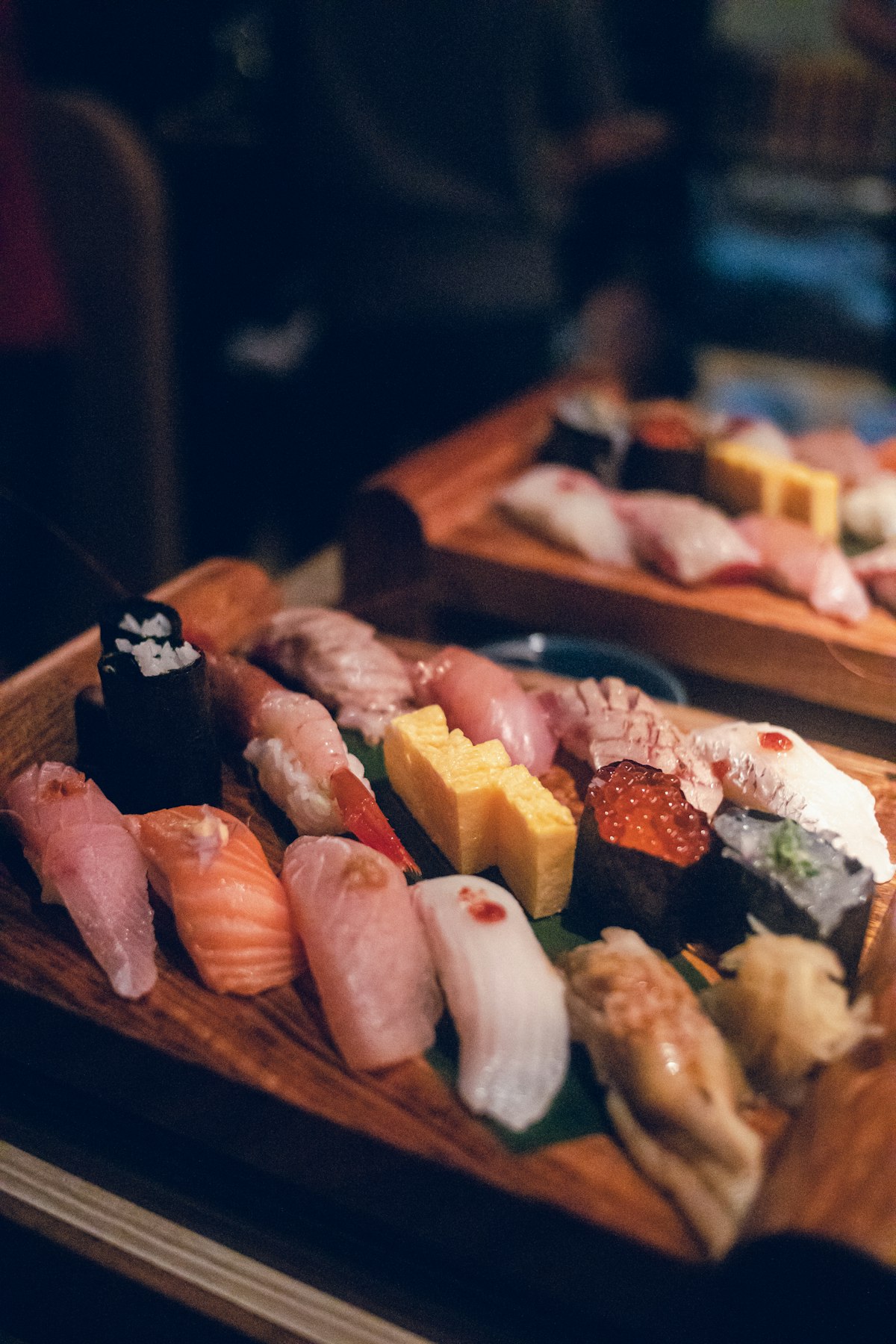
When you bite into a perfectly crispy piece of shrimp tempura at a Japanese restaurant, you're tasting the legacy of 16th-century Portuguese missionaries. Yes, one of Japan's most iconic dishes has its roots in Catholic Europe.
The Portuguese Arrive in Japan
In 1543, Portuguese traders became the first Europeans to reach Japan. Jesuits followed soon after, including the famous Francis Xavier in 1549. These missionaries and merchants brought more than Christianity—they brought their cuisine.

The Etymology
The word tempura (天ぷら) has disputed origins, but the two leading theories both point to Portuguese:
Theory 1: Têmporas (Ember Days) The most popular explanation connects tempura to the Portuguese word têmporas, referring to the Quatuor Anni Tempora (Four Seasons)—Catholic holy days when meat was forbidden. During these fasting periods, Portuguese ate peixinhos da horta (literally "little fish from the garden") and battered fried vegetables or fish.
Theory 2: Tempero (Seasoning) Others suggest it comes from tempero, meaning "seasoning" or "cooking," which Portuguese cooks would use to describe their preparations.
What the Portuguese Actually Made

The dish the Portuguese brought wasn't exactly what we know as tempura today. They made peixinhos da horta—green beans dipped in a flour-and-egg batter and deep-fried. It was a humble dish, born of religious necessity.
Portuguese Lenten cuisine also included: - Fried fish in batter - Battered and fried vegetables - Simple dough fritters
The Japanese Transformation
The Japanese, with their characteristic culinary perfectionism, elevated this simple frying technique into an art form. They:
- Refined the batter: Using rice flour and ice-cold water to create an ultra-light, crispy coating
- Expanded the ingredients: Adding seafood like shrimp, squid, and seasonal vegetables
- Developed the dipping sauce: Creating tentsuyu, a light broth of dashi, soy sauce, and mirin
- Established presentation standards: Making tempura a visual as well as culinary experience
From Street Food to High Cuisine
Tempura evolved through distinct phases in Japan:
Edo Period (1603-1868): Tempura became popular street food, sold from yatai (food stalls). It was considered common people's food.
Meiji Period (1868-1912): Tempura restaurants emerged, elevating it to a more sophisticated dish.
Modern Era: Today, the finest tempura restaurants in Tokyo charge hundreds of dollars for an omakase (chef's choice) experience, where each piece is fried to order.
The Perfect Tempura Technique
What makes Japanese tempura different from Portuguese origins:
1. Cold batter - The secret to light tempura is using ice-cold water and barely mixing the batter (lumps are acceptable!) 2. Hot oil - Typically around 180°C (356°F) 3. Light coating - Just enough batter to create a thin, crispy shell 4. Immediate serving - Tempura must be eaten within seconds of frying
Other Portuguese Culinary Gifts to Japan
Tempura wasn't the only Portuguese contribution:
- Kasutera (castella cake) - from pão de Castela (bread from Castile)
- Konpeitō - colorful sugar candy from confeito
- Pan (パン) - the Japanese word for bread, from pão
The Irony
There's a beautiful irony here: a dish born of Catholic religious restrictions became beloved in a predominantly Buddhist and Shinto country. The Portuguese missionaries ultimately failed to convert Japan—Christianity was eventually banned in 1639—but their cooking technique became immortal.
Today, tempura is so Japanese that most people, including many Japanese, don't know its foreign origins. It's a testament to how thoroughly Japan adopted and transformed this Portuguese gift into something uniquely their own.
The next time you enjoy tempura, remember: you're eating a 500-year-old reminder of when two vastly different civilizations met and changed each other forever.
References & Sources
- Tempura - History and Etymology— Wikipedia (accessed December 2025)
- Portuguese Influence on Japanese Cuisine— The Japan Times (accessed December 2025)
- The Nanban Trade Period— Encyclopædia Britannica (accessed December 2025)
- Ember Days and Catholic Fasting— Catholic Encyclopedia (accessed December 2025)
Ready to learn European Portuguese?
Start with our free flashcard app featuring native pronunciation and spaced repetition.
Start Learning FreeRelated Articles
How the 1755 Lisbon Earthquake Changed the Portuguese Language
The devastating 1755 earthquake destroyed Lisbon and much of its literary heritage. But from the ruins emerged a more unified Portuguese language. Discover how catastrophe shaped linguistic evolution.
25 English Words You Didn't Know Came from Portuguese
From "cobra" and "caste" to "fetish" and "embarrass," Portuguese has contributed dozens of words to English. Discover the surprising Portuguese origins of everyday English vocabulary.
When Portuguese Ruled the Seas: The Language of Global Trade (1500-1800)
For three centuries, Portuguese was the lingua franca of maritime trade from Africa to Japan. Discover how a small European nation's language became the voice of international commerce.