Fado: The Soul of Portugal and UNESCO World Heritage
Fado is more than music—it's the sonic expression of saudade, the Portuguese soul. From Lisbon's backstreets to UNESCO recognition, discover the melancholic beauty of Portugal's national music.
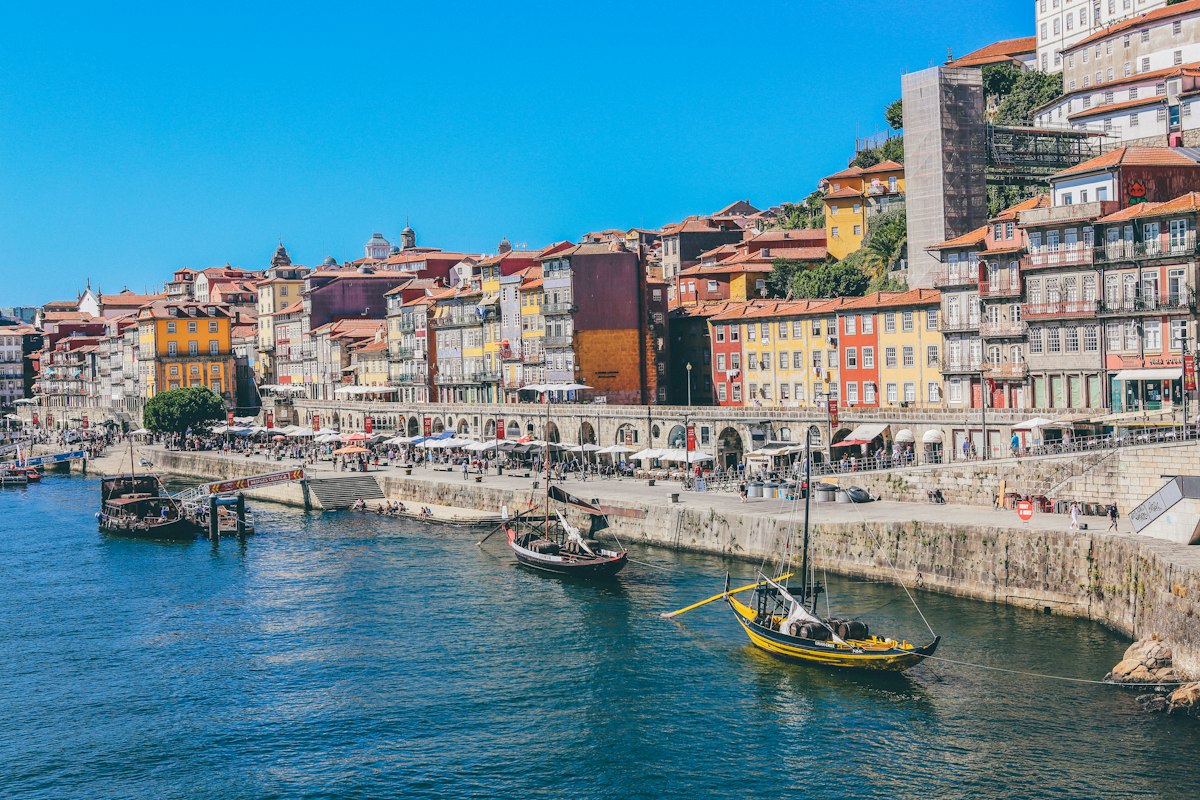
In the narrow, cobblestoned streets of Lisbon's Alfama district, a voice rises in the night. It's mournful, passionate, inevitable—this is fado, the music of Portugal's soul, and one of the most emotionally intense musical traditions in the world.
What Is Fado?
Fado (from Latin fatum, meaning fate or destiny) is a Portuguese music genre characterized by: - Mournful tunes in minor keys - Lyrics about love, loss, longing, and saudade - Portuguese guitar (guitarra portuguesa) accompaniment - Solo vocal performance with minimal instrumentation

A fado performance isn't merely singing—it's feeling. The Portuguese say a fadista doesn't sing fado, they live it.
Origins: The Mystery
Fado's origins are debated, but most scholars trace it to early 19th-century Lisbon, specifically to:
The Mouraria and Alfama Neighborhoods These working-class areas, once home to Moors (Mouraria means "Moorish quarter"), sailors, and the urban poor, became fado's birthplace. It was sung in taverns, brothels, and street corners.
African and Brazilian Influences Some historians point to the lundum dance brought by African slaves via Brazil, which merged with Portuguese folk traditions.
Maritime Culture Portugal's seafaring history—with its long absences, dangerous voyages, and uncertain returns—may have shaped fado's melancholic character.

The Instruments
A traditional fado performance features:
Guitarra Portuguesa The defining instrument of fado—a 12-stringed tear-drop shaped guitar with a distinctive bright, melancholic sound. It provides the ornamental flourishes between vocal phrases.
Viola (Classical Guitar) Provides rhythmic and harmonic foundation.
The Voice The centerpiece. A fadista must convey saudade through voice alone. Vocal technique matters less than emotional authenticity.
The Great Fadistas
Maria Severa (1820-1846) The mythical first fadista—a prostitute from Mouraria whose tragic love affair with the Count of Vimioso became the foundation of fado legend. She died young, cementing her immortality.
Amália Rodrigues (1920-1999) The undisputed "Queen of Fado" who internationalized the genre. Her voice—powerful, emotional, technically brilliant—defined fado for the 20th century. She remains Portugal's most beloved cultural icon.
Her famous interpretation of Estranha Forma de Vida (Strange Way of Life) is considered fado's peak:
"Que estranha forma de vida / Tem este meu coração" (What a strange way of life / This heart of mine has)
Mariza The contemporary torchbearer, bringing fado to new audiences while respecting tradition.
Ana Moura, Carminho, Camané Today's generation of fadistas, proving the tradition remains vibrant.
Fado Houses (Casas de Fado)
The traditional fado experience happens in casas de fado—intimate restaurants where: - Performances occur throughout the evening - Complete silence is expected during songs - The lights dim - Strangers share tables - Emotion flows freely
To talk, laugh, or check your phone during fado is considered deeply disrespectful.
The Rules of Fado
Fado has unwritten but absolute rules:
1. Silence during performance — Complete attention is required 2. No applause between verses — Wait for the song to end 3. Black shawl — Traditional fadistas wear a black shawl (xaile) 4. Standing still — Movement is minimal; expression comes from the voice 5. Connection — The fadista makes eye contact, drawing listeners in
Fado and Saudade
Fado is inseparable from saudade—the untranslatable Portuguese word for nostalgic longing. The music doesn't describe saudade; it IS saudade in sonic form.
Common fado themes: - Lost love - The sea and sailors - Lisbon itself - Destiny and fate - Death - The impossibility of happiness
Yet fado isn't depressing—it's cathartic. Portuguese say that fado makes sadness beautiful, transforming pain into art.
UNESCO Recognition
In 2011, UNESCO inscribed fado on the Representative List of the Intangible Cultural Heritage of Humanity. The citation recognized fado as: - A living tradition continuously evolving - Central to Portuguese identity - A symbol of Lisbon's multicultural history - Worthy of preservation for future generations
Coimbra Fado
While Lisbon fado is most famous, Coimbra (home to Portugal's oldest university) has its own tradition: - Sung primarily by men (traditionally male students) - More formal and literary - Performed outdoors, often in academic robes - Associated with serenatas (serenades)
Experiencing Fado Today
In Lisbon - Alfama — Traditional neighborhood with many fado houses - Bairro Alto — More touristy but still authentic venues - Madragoa — Quieter, more local experience
What to Expect - Performances typically begin around 9-10 PM - Most venues require dinner reservations - Expect to pay €40-80+ for dinner and show - The experience lasts several hours - Multiple performers typically appear in rotation
The Amateur Fado Vadio In some authentic venues, audience members can stand and sing—this is fado vadio (vagabond fado). These moments, when a local unexpectedly reveals a stunning voice, are fado at its most raw and real.
The Future of Fado
After decades of association with the Salazar dictatorship (which used fado for nationalist purposes), the genre struggled post-1974. Younger Portuguese rejected it as old-fashioned.
The 21st century brought revival: - New artists like Mariza found international audiences - UNESCO recognition restored pride - Fado now appears in Portuguese pop and electronic music - Young lisboetas return to casas de fado
Fado has survived centuries, dictatorships, and cultural change. As long as the Portuguese feel saudade—and they always will—fado will endure.
"O fado não se canta, acontece." (Fado isn't sung, it happens.)
— Traditional Portuguese saying
References & Sources
- Fado - UNESCO Intangible Cultural Heritage— UNESCO (accessed December 2025)
- Fado Music History— Wikipedia (accessed December 2025)
- Amália Rodrigues Biography— Encyclopædia Britannica (accessed December 2025)
- Museu do Fado— Museu do Fado (Official) (accessed December 2025)
Ready to learn European Portuguese?
Start with our free flashcard app featuring native pronunciation and spaced repetition.
Start Learning FreeRelated Articles
How the 1755 Lisbon Earthquake Changed the Portuguese Language
The devastating 1755 earthquake destroyed Lisbon and much of its literary heritage. But from the ruins emerged a more unified Portuguese language. Discover how catastrophe shaped linguistic evolution.
When Portuguese Ruled the Seas: The Language of Global Trade (1500-1800)
For three centuries, Portuguese was the lingua franca of maritime trade from Africa to Japan. Discover how a small European nation's language became the voice of international commerce.
The Treaty of Windsor (1386): The World's Oldest Alliance Still in Force
For over 600 years, Portugal and England have maintained the world's oldest alliance. Discover how this medieval treaty shaped both nations' languages, cultures, and histories.